
Managed Office vs Traditional Lease in Dublin: Which Structure Makes Sense for Your Business?

This is a structural decision, not just a property choice. The type of office agreement you sign shapes your cash flow, your flexibility, and your exposure to risk. Most businesses underestimate how much that matters until they are locked into the wrong arrangement.
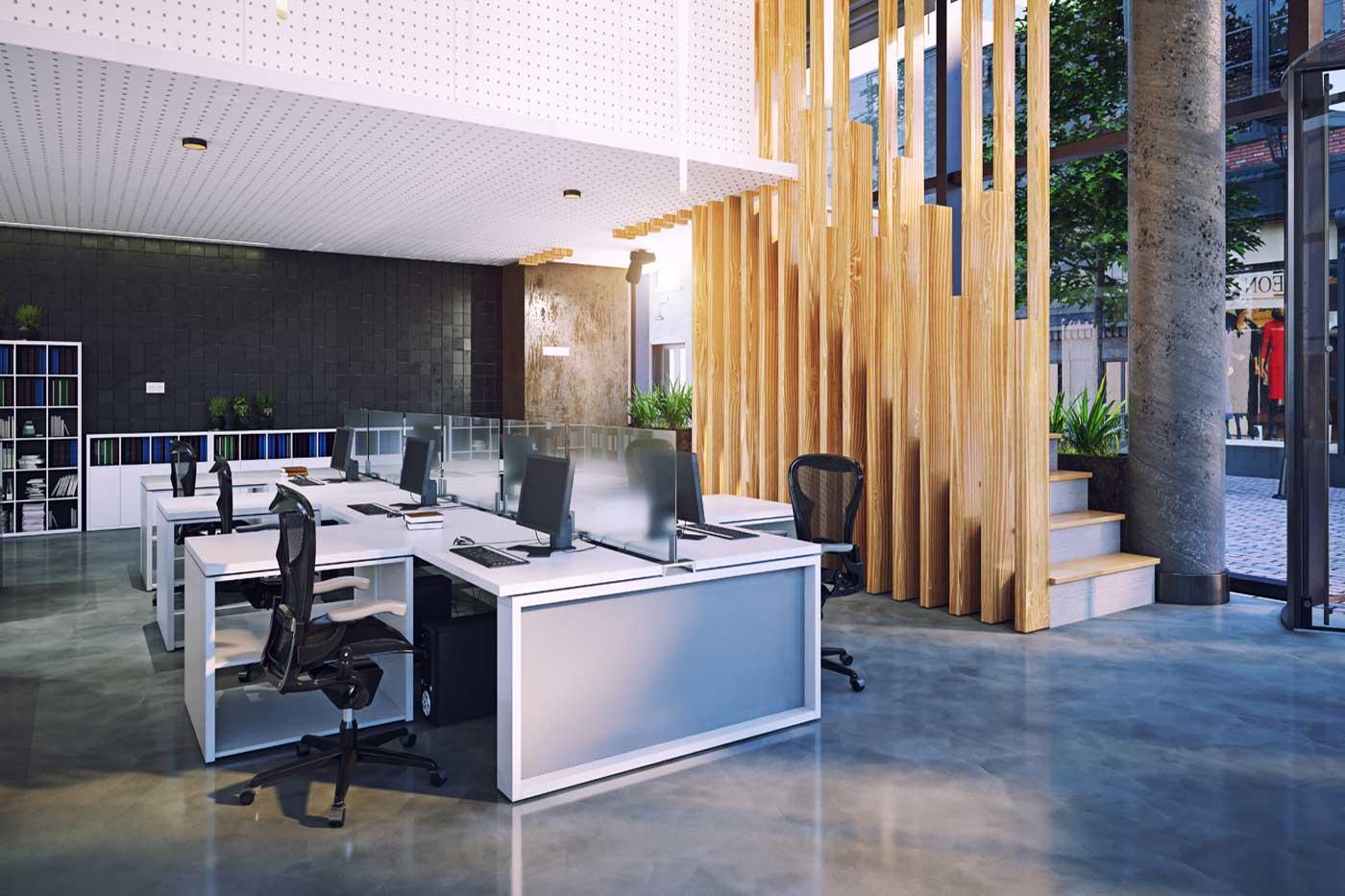
A managed office sits between a serviced space and a traditional lease. It is fully private, customised to your business, and operated by a provider who handles fit-out, furniture, maintenance, and utilities under a single monthly fee. Terms typically run from twelve to thirty-six months. You get the look and feel of your own office without the capital outlay or operational burden of running it yourself.
A traditional lease is the conventional route. You rent directly from a landlord, sign a long-term agreement — historically ten years or more in Ireland, though shorter terms are increasingly available — and take full responsibility for everything inside the space. Fit-out, furniture, services, maintenance, and dilapidations at the end of term all fall to you.
The cost comparison is more nuanced than most businesses realise. A traditional lease carries a lower monthly rent, but rent is only one component. Fit-out alone typically runs €50 to €100 or more per square foot in Dublin. Add furniture, IT infrastructure, service charges, and ongoing maintenance, and the true cost of a lease in the first two to three years often exceeds what a managed office would have cost. For a ten-person team, a managed office at €6,000 per month all-in may compare favourably to a lease at €4,000 per month once an €80,000 fit-out is amortised. The break-even point is typically two to three years — and that assumes stable headcount throughout.
Speed is another factor that consistently catches businesses out. A managed office can be occupied in two to six weeks. A traditional lease, from signing through fit-out and into occupation, typically takes three to six months. For a growing business, that delay has a real operational cost.
Managed offices make the most sense for teams that are scaling, uncertain on long-term headcount, or want to avoid committing capital to infrastructure. The monthly cost is higher, but the flexibility to adjust — whether expanding, contracting, or moving — has significant value when your business is still finding its shape.
Traditional leases make more sense for larger, more stable businesses — typically thirty to fifty people or more — with a clear long-term plan, full control ambitions, and the capital available to invest in a bespoke environment. At that scale, the economics of a lease improve materially, and the ability to create a space that fully reflects your brand and culture becomes commercially relevant.
The Dublin market reflects this split. Managed offices dominate for teams under thirty people. Traditional leases remain the default for large corporates with established footprints. Hybrid models — shorter leases on pre-fitted space — are growing as the market responds to demand for more flexibility at larger scale.
At Ping Offices, we help businesses model both options side by side — comparing true cost over time, assessing risk against your growth plans, and sourcing the right solution across the full Dublin market. We deliver tailored shortlists within 60 minutes.
News insight
 May 06, 2026
Best Office Type for Hybrid Teams
Hybrid working has fundamentally changed how offices are used.
 May 06, 2026
Is Dublin 2 Worth the Premium? A Clear, Commercial Breakdown
Dublin 2 is the most in-demand office location in Ireland. It is also the most expensive. The questi...
 May 06, 2026
Flexible Office vs Long-Term Lease in Dublin: Which Is Right for Your Business?
Choosing between a flexible office and a long-term lease is one of the most consequential property d...
Thanks! We've got your request.
Our team will review your details and be in touch shortly with your personalised quote.